The Interplay Between Neighbor Bet Mechanics and Expiring Promotion Windows in Multiplayer Digital Roulette Sessions
Vera Patterson · Oct 27, 2026
The Interplay Between Neighbor Bet Mechanics and Expiring Promotion Windows in Multiplayer Digital Roulette Sessions
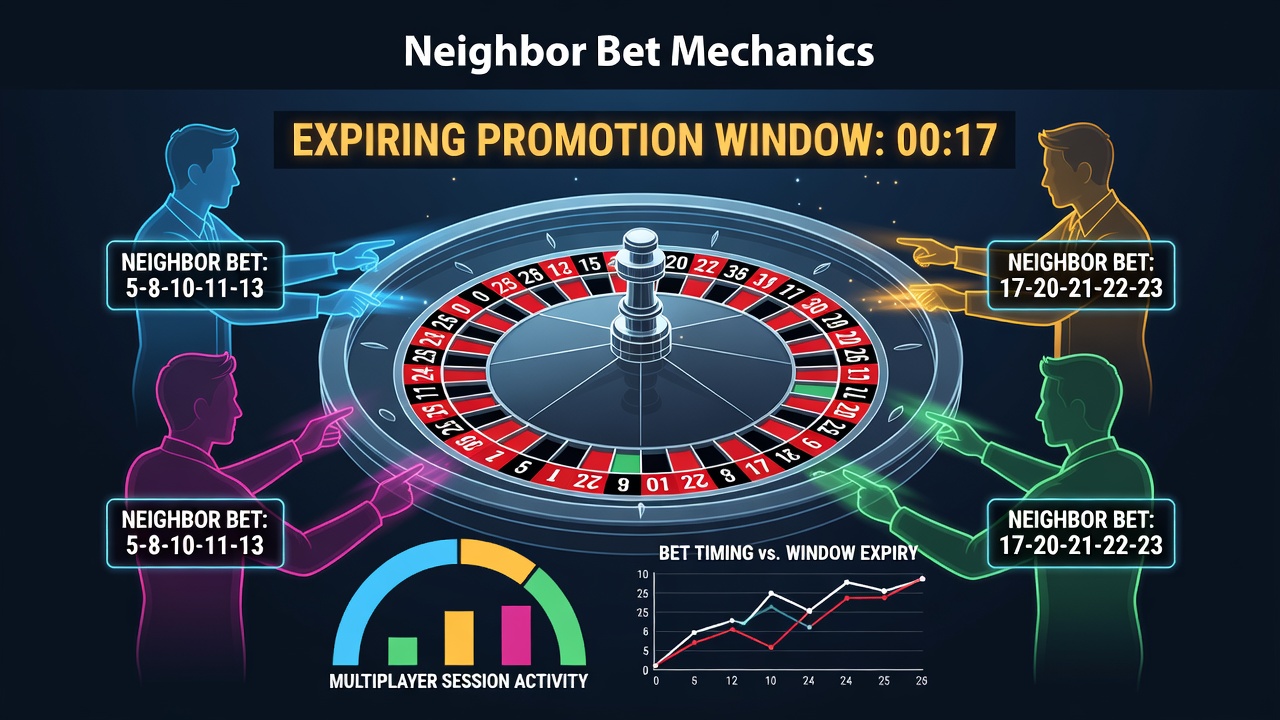
Neighbor bet mechanics in roulette involve placing wagers on groups of numbers that sit adjacent to each other on the physical wheel rather than on the betting layout grid, and these selections typically span five pockets centered around a chosen number in European variants with 37 pockets total. Multiplayer digital sessions combine this approach with shared virtual tables where multiple participants place bets simultaneously through RNG-certified platforms, and the format allows real-time observation of collective betting activity while each player manages individual bankrolls and active bonuses.
Core Elements of Neighbor Bets in Digital Environments
Platforms present neighbor bets through dedicated betting interfaces that highlight wheel sections, and players select these options to achieve coverage across consecutive positions such as zero through nine or twenty-three through twenty-seven. Data from regulated operators shows that neighbor selections account for measurable portions of total wagers in live dealer and automated RNG games alike, because they provide structured risk distribution across the wheel sequence. Researchers tracking session logs have documented how these bets interact with payout structures where a straight-up hit returns thirty-five to one while the surrounding neighbors settle at lower multiples based on their individual classifications.
Mechanics of Expiring Promotion Windows
Expiring promotion windows consist of time-bound offers such as deposit matches or free spin allocations that deactivate after periods ranging from twenty-four to seventy-two hours depending on operator terms, and players must satisfy wagering requirements before the window closes to convert bonus funds into withdrawable balances. Figures from industry reports indicate that clearance timelines directly affect bet sizing decisions, with participants often adjusting stake levels and coverage patterns to meet thresholds efficiently within the remaining period. In October 2026, updates from Canadian provincial regulators highlighted increased scrutiny on bonus expiry disclosures across digital gaming platforms to ensure transparency in promotional structures.
Combined Dynamics in Multiplayer Sessions
Multiplayer digital roulette environments amplify the interaction between neighbor mechanics and promotion deadlines because shared tables display collective activity that can signal optimal timing for placing coverage bets during active windows. Observers note that participants frequently layer neighbor selections onto existing straight-up or split wagers to broaden exposure without exceeding table limits, and this layering occurs while monitoring countdown timers that track remaining bonus validity. Studies from research institutions have recorded session data revealing that neighbor bet frequency rises during the final hours of promotion periods as players seek efficient variance management across wheel sectors.
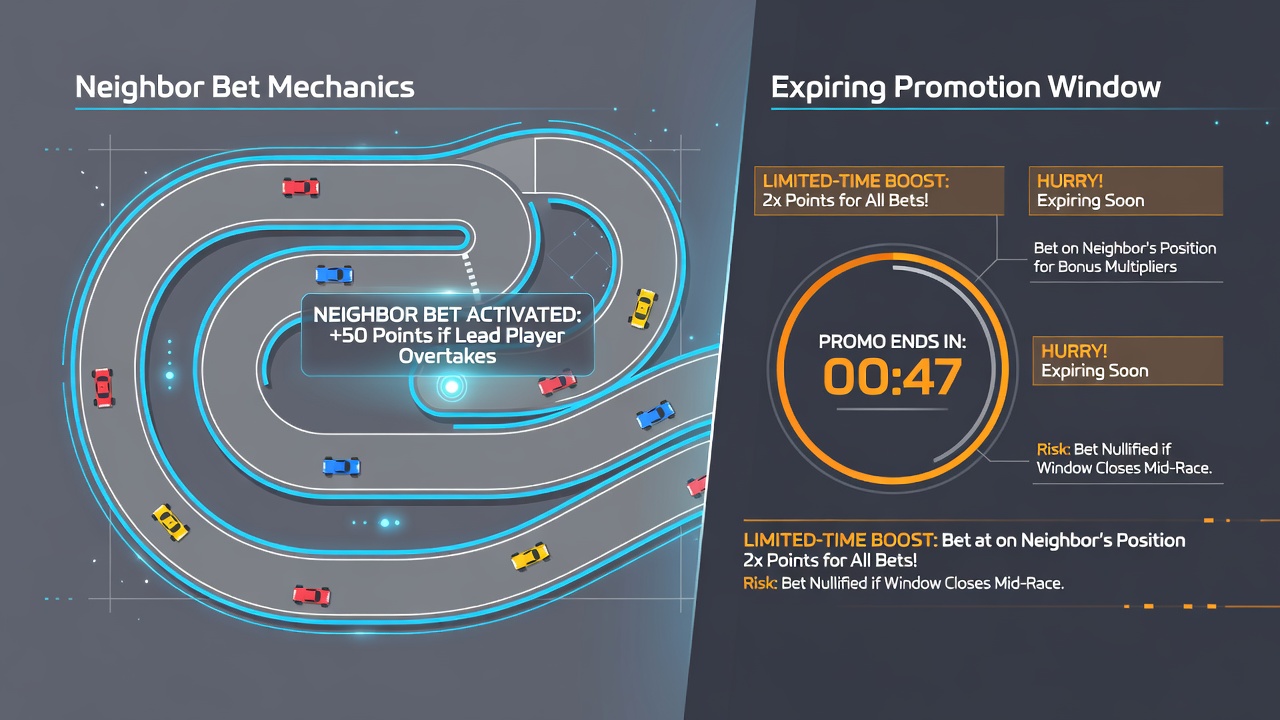
Platform algorithms allocate RNG outcomes independently for each participant yet maintain consistent wheel mapping for neighbor calculations, and this consistency enables predictable coverage calculations even as multiple users compete for table positions. Evidence from operator analytics suggests that expiring windows prompt shifts toward neighbor structures because the five-number groupings allow incremental progress toward wagering targets through moderate stake increases rather than high-risk single-number plays. Those monitoring European and Australian markets have tracked similar patterns where time-sensitive bonuses correlate with elevated neighbor bet volumes in the closing stages of promotional cycles.
Platform Features Supporting These Interactions
Digital interfaces integrate timer displays alongside betting controls so users see remaining promotion duration while selecting neighbor options, and this visibility supports real-time adjustments in multiplayer lobbies. Reports from gaming associations in the Netherlands and other EU jurisdictions document how certified systems log these combined activities for compliance purposes, ensuring that RNG integrity and bonus rules operate without interference. Participants in extended sessions often alternate between standard layout bets and wheel-based neighbor groups to balance coverage while advancing through clearance milestones before deadlines expire.
Observed Patterns Across Sessions
Analytics platforms record that neighbor bet adoption increases when promotion windows approach their final twenty percent of active time, because the mechanics provide reliable sector coverage that aligns with the need for steady wagering volume. Multiplayer formats add a social layer where visible neighbor activity from other participants can influence individual timing decisions, though each outcome remains independent under RNG protocols. Data released through academic partnerships with gaming research centers shows correlations between these bet types and completion rates for time-limited offers across various operator environments.
Conclusion
The documented relationship between neighbor bet mechanics and expiring promotion windows in multiplayer digital roulette rests on measurable platform data, regulatory disclosures, and session analytics that continue to evolve with technological updates. Operators maintain these systems under oversight from bodies such as the Netherlands Gaming Authority and similar entities worldwide, while research from institutions like the University of Nevada continues to examine behavioral patterns in bonus-driven environments. These elements together shape how participants navigate time constraints and wheel-based betting structures in shared digital sessions.